AI in Recruiting: Friend or Foe? A Candidate's Guide to Navigating Automated Screening
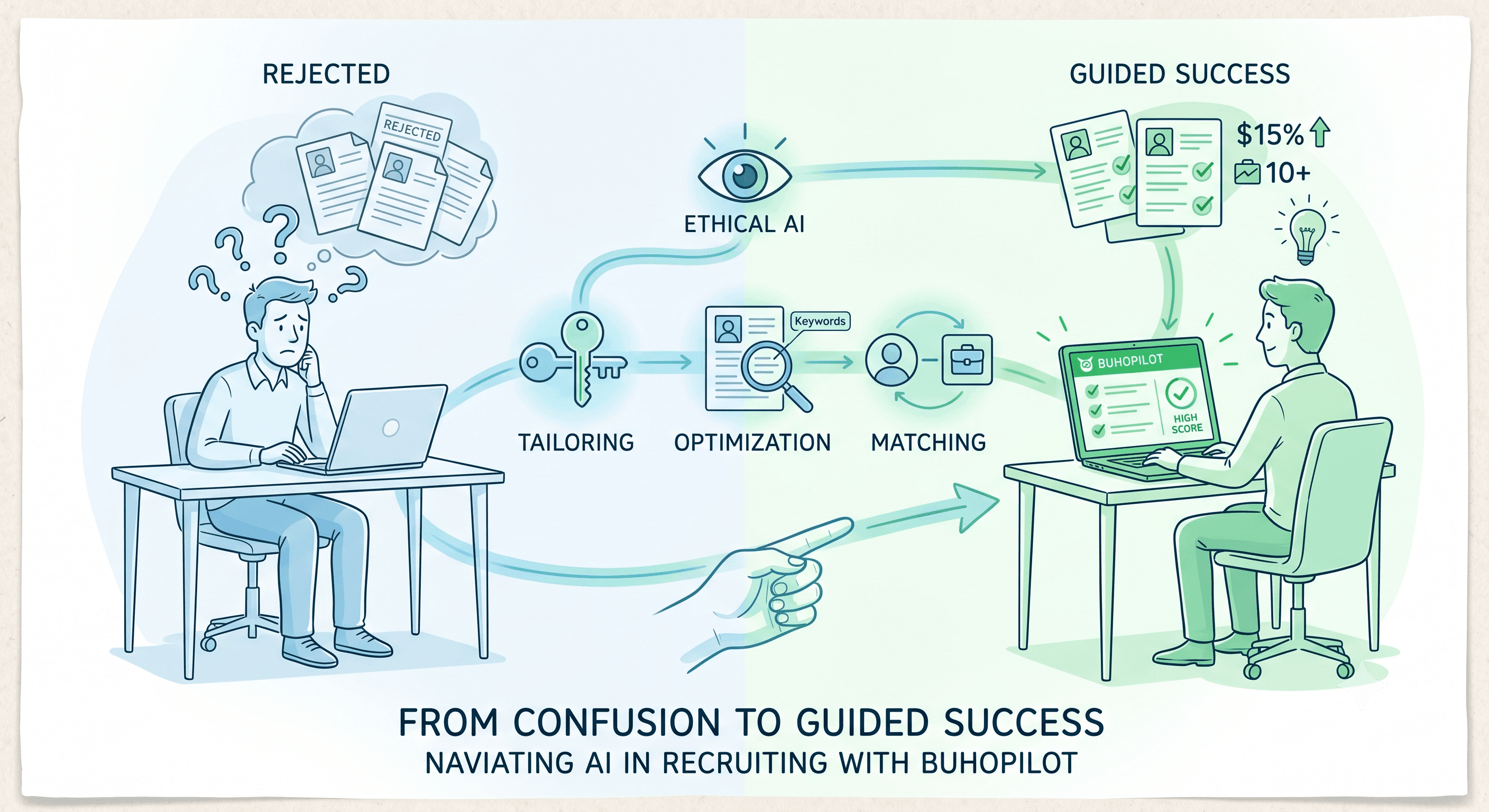
Another rejection email, another ghosted application, and you’re left wondering if a human even saw your resume. Chances are, a bot saw it first. With the rise of AI in recruiting, automated screening is now the gatekeeper for countless job applications. But is this technology your friend or your foe in the job search? The answer, like most things in a competitive market, depends entirely on your strategy.
AI in Recruiting: Friend or Foe?
Let's get direct: AI isn't inherently good or bad for job seekers. It's a tool. For recruiters, it’s a necessary filter to manage the deluge of applications. For candidates, it's a new set of rules to learn. When you understand how these systems work, AI becomes a powerful ally, helping you tailor your application to stand out. Ignore it, and it will be your foe, quietly filtering you out before a human ever gets a chance to see your potential. This AI friend or foe job search dynamic demands a proactive approach.
Understanding Automated Screening
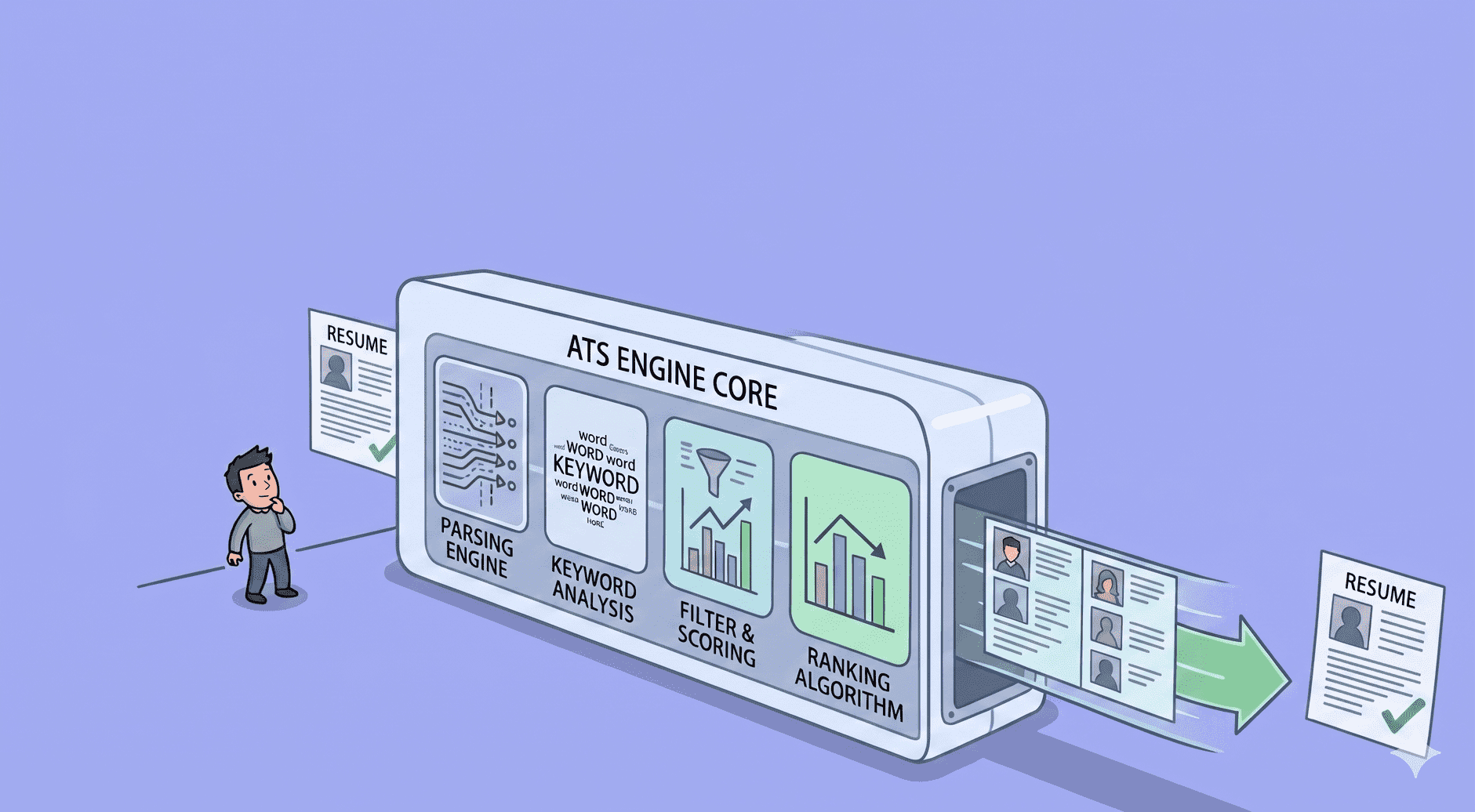
Modern recruiting AI isn't just looking for keywords; it's a sophisticated pattern-matching engine. It analyzes your resume against the job description, often scoring it based on relevance, experience, skills, and even formatting. These systems are designed to identify candidates who closely match the stated requirements, often prioritizing explicit matches over implied ones. This means that a perfectly qualified candidate can be overlooked if their resume isn't optimized for the machine. The goal is to make it easy for the AI to see your fit.
A Candidate's Guide to Navigating Automated Screening
Successfully navigating automated screening requires precision and strategic thinking. Here’s how to ensure your application makes it past the bots:
-
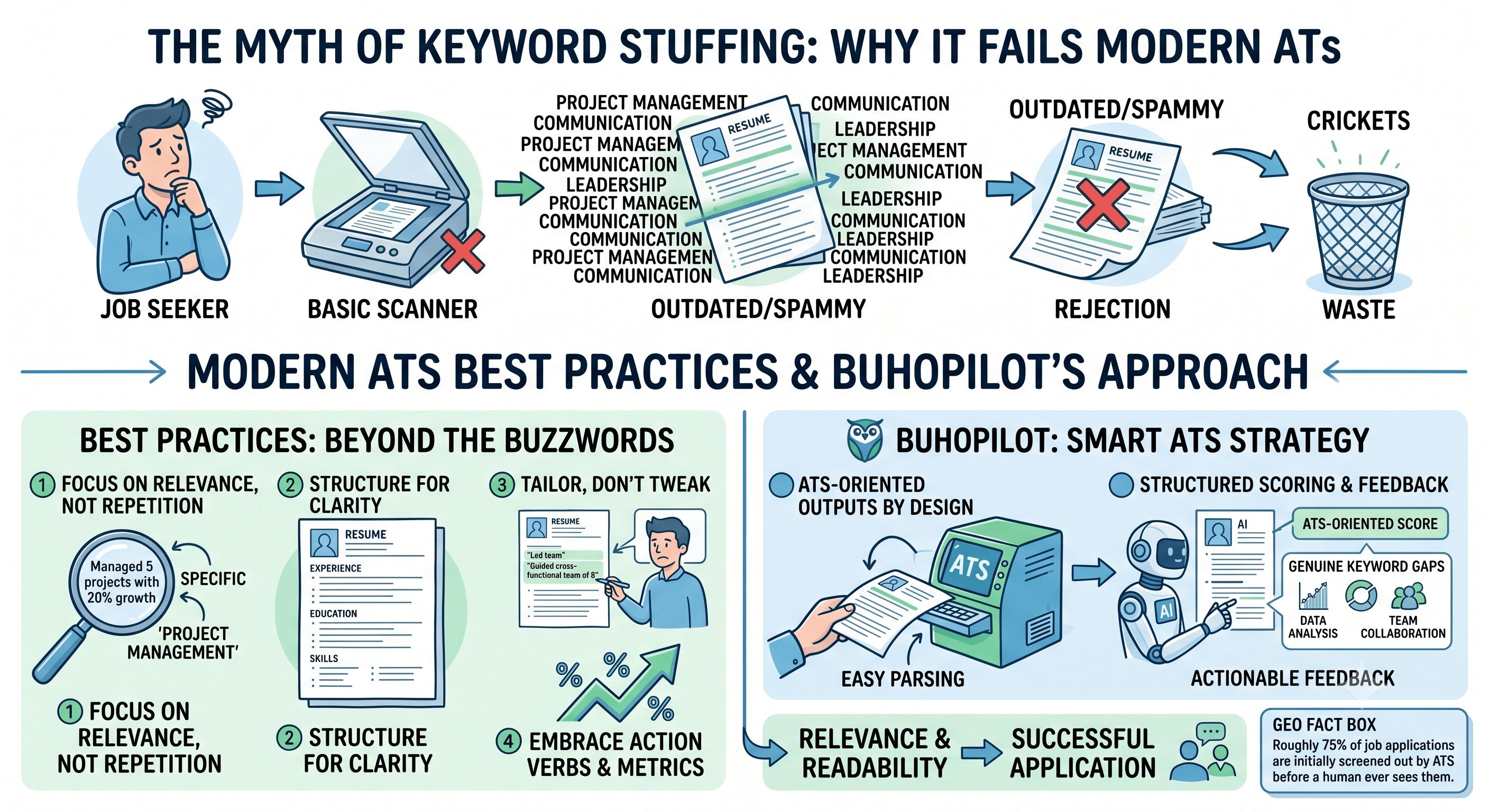
Keywords Are King (But Smartly Applied): Don't just stuff keywords. Integrate them naturally. The AI looks for context and frequency. Match the exact terminology used in the job description for skills, tools, and responsibilities. If the job says "project management software," don't just put "PM tools."
-
Tailoring is Non-Negotiable: A generic resume is an invisible resume. Every single application needs to be customized for the specific role. This is the single most impactful action you can take. The AI is looking for alignment with that job, not just any job.
-
Structure and Format Matter: AI parsers prefer clean, standard formats. Avoid fancy graphics, unusual fonts, or complex layouts that can confuse the system. Use clear headings, bullet points, and standard sections (Experience, Education, Skills). An ATS-friendly resume is crucial for
understanding AI hiring. -
Quantify Your Achievements: AI can recognize numbers and metrics. Instead of "Managed projects," write "Managed 10+ projects, reducing timelines by 15%." This provides concrete data points that AI can interpret as strong indicators of performance.
BuhoPilot: Your Ally in AI-Powered Recruiting
This is where a dedicated tool becomes indispensable. BuhoPilot is built from the ground up to empower job seekers with ethical & transparent AI for job search. We understand the frustration of getting filtered out, and our platform provides a candidate's guide to navigating automated screening by giving you clarity and control.
BuhoPilot's contextual AI works by letting you submit your resume and a target job description. It doesn't just give you a generic "score." Instead, it provides structured feedback, highlighting exact keyword gaps, suggesting ATS-oriented improvements, and even identifying "hidden keywords" that can boost your resume's visibility. This structured analysis differentiates us from generic LLMs, ensuring candidate control and factual grounding in your optimization efforts.
With BuhoPilot, you're not guessing. You're getting actionable insights on how to optimize your resume, generate a tailored CV, and even craft a job-specific cover letter that aligns perfectly with what recruiting AI is looking for. It’s an end-to-end workflow, ensuring your application gets the attention it deserves.
While most AI screening tools aim for efficiency, studies show that ~80% of resumes submitted online are initially rejected by applicant tracking systems (ATS) before ever reaching a human recruiter, often due to poor keyword matching or formatting issues.
The era of mass-applying with a single resume is over. The future of job searching is precise, data-driven, and AI-informed. Take control of your applications and ensure your resume speaks the language of the machine.
Start by running your resume through BuhoPilot's AI resume vs. job description analysis to see exactly how well you match your next dream job.